

The union of mining giants Rio Tinto and Glencore would send shockwaves throughout the global mining industry. Together, they would be one of the largest mining conglomerates in the world (with a market value of well over USD 200 billion). However, the Chinese wouldn’t be too happy about such a marriage of titans and industry analysts, alongside antitrust specialists, believe that the Xi Jinping administration and its regulators will most definitely demand sweeping asset disposals before ever accepting such a merger. However, similar practices have been followed before, too, with Glencore’s 2013 acquisition of Xstrata, worth USD 35 billion, following a similar approval pattern.
But then there is another fear. If these colossal resource extraction specialists hold hands, there would be a historic concentration of market authority over minerals and metals (resources indispensable to modern civilisation) in the hands of a few, who could indirectly have an indispensable opinion in the global economy. And China, being the factory of the world, and because it requires these resources for its industrial engine, would erect the most impenetrable regulatory fortresses to maintain autonomy and global competitiveness.
“China’s antitrust regulator is likely to be concerned about a combined entity’s concentration in copper production and marketing, as well as iron ore marketing. Beijing may also see an opportunity to force asset sales to friendly entities,” several analysts and lawyers told Reuters.
In fact, well before the Glencore talks were made public, Rio Tinto was exploring an asset-for-equity swap aimed at trimming the 11% holding of its biggest shareholder, state-run Aluminium Corporation of China, known as Chinalco. Rio Tinto’s Simandou iron ore mine in Guinea and Oyu Tolgoi copper mine in Mongolia were reportedly among the assets of interest to Chinalco.
“To get the Glencore deal over the line, assets in Africa are especially likely sales candidates, as Latin America has become less accepting of Chinese investment. China will see this as an opportunity to squeeze out assets,” said Glyn Lawcock, an analyst at Barrenjoey in Sydney.
The Copper Market
This proposed megacorporation would own an overwhelming share of worldwide production across multiple strategic commodities.
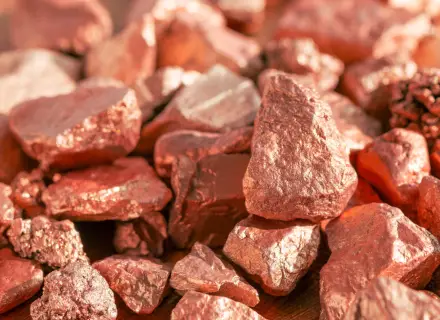
Let’s take the copper market. The combined behemoth would control roughly 10% of global mine output, establishing dominance over a metal indispensable to electrical grids and decarbonisation efforts. Iron ore concentration would prove even more striking as the merged group would govern approximately 18% of seaborne iron ore commerce, the essential feedstock for steel manufacturing.
China consumes more copper and iron ore than any nation on Earth. Its regulators scrutinise with profound suspicion any supply consolidation that might grant producers excessive leverage over domestic purchasers. Beijing’s competition authorities have consistently demonstrated scepticism toward mining megamergers that concentrate bargaining power against Chinese industrial interests.
Investors and analysts also see the will to control future copper supply as the prime motivator behind the Glencore-Rio Tinto merger talks.
A premium of 15% to 30% to Glencore’s early January 2026 share price could get the deal done and avoid spurring Australian rival BHP bidding for the company, RBC mining analyst Ben Davis said, citing recent conversations with investors. The move will end up valuing Glencore at up to USD 87 billion.
“Securing copper – not creating near-term value – is the key rationale for the transaction,” Davis stressed.
Glencore’s market capitalisation is about USD 76 billion, while Rio is worth about USD 145 billion. A combined “GlenTinto” would leapfrog BHP as the world’s largest mining company by market value, while significantly boosting Rio Tinto’s long-term copper exposure at a time when electrification-driven demand growth is colliding with a thin project development pipeline across the globe. The deal, if pulled off in January 2026, will be a well-timed one, given the way copper prices set multiple records amid supply disruptions and US trade uncertainties, which are fuelling a sharp rally for base metals.
Rio, which expanded into lithium in 2025 with the USD 6.7 billion acquisition of Arcadium Lithium, expects commodities output to rise about 3% a year by 2030 as new assets such as Guinea’s Simandou iron ore mine and Mongolia’s Oyu Tolgoi copper complex start producing. At this juncture, Glencore’s copper assets will be the real prize for the British-Australian multinational mining company. The assets which Rio may end up acquiring include a 44% share in the Collahuasi copper mine in Chile.
“While Rio has got a lot right in recent years in developing Oyu Tolgoi and Simandou, the growth beyond this current phase is far less exciting with projects (including copper assets like Resolution in the US and Nuevo Cobre in Chile) either too small to make a difference or still in the development phase or stuck in courts,” Davis noted.
Historical Precedents Illuminate The Path
Previous consolidation attempts illuminate Chinese regulatory philosophy with instructive clarity. When BHP mounted its audacious bid for Rio Tinto in 2008, Chinese resistance figured prominently in the deal’s ultimate disintegration. More recently, in 2020, China’s State Administration for Market Regulation torpedoed Glencore’s proposed acquisition of coal assets from Rio Tinto. Officials cited grave concerns about excessive concentration in seaborne coking coal supply chains.
In fact, Glencore has landed in similar situations before. In 2013, Beijing forced the Swiss-based company to sell its stake in the Las Bambas copper mine in Peru, one of the world’s largest, to Chinese investors for nearly USD 6 billion in exchange for the Xstrata takeover. As of January 2026, Glencore has also agreed to sell Chinese customers minimum quantities of copper concentrate at certain prices for just over seven years amid the Xi Jinping government’s growing discomfort over the fact that the Rio Tinto-Glencore joint venture will have too much power over the copper market.
These interventions telegraph that Chinese authorities will dissect the combination with microscopic intensity, particularly given this deal’s potentially seismic ramifications across multiple commodity ecosystems. In fact, as per Reuters, the regulators will also be examining a planned USD 53 billion copper-focused merger between Anglo American and Teck Resources, given the fact that copper assets are in even higher demand today, given the metal’s role in the global economy’s green transition and shift towards artificial intelligence (AI).
Divestment Calculus
To mollify regulatory anxieties, the merged corporation would likely sacrifice substantial holdings, especially in markets where the combined entity would wield disproportionate influence. Industry observers identify iron ore operations in Australia’s Pilbara region as prime divestment candidates. Both companies operate extensive facilities there that feed Chinese steel mills directly.
Copper assets might also face the chopping block, though this scenario presents greater complexity. The metal’s pivotal role in global energy transformation and the copper supply’s relatively dispersed character complicate matters. The merged entity might contend that maintaining integrated copper operations advances broader environmental objectives and energy security imperatives.
Additional divestment possibilities encompass coal holdings, where Glencore maintains considerable operations, plus various base metals or industrial minerals where the companies’ portfolios intersect substantially.
Notwithstanding regulatory obstacles, the merger’s strategic architecture remains intellectually compelling for both enterprises. The combination would unlock operational synergies, compress costs through enhanced scale economies, and position the unified entity to capitalise on surging demand for energy transition metals. The deal would simultaneously furnish the combined company with augmented financial resources to bankroll new mine development and processing infrastructure.
Glencore’s trading division, among the planet’s most sophisticated commodity trading operations, would infuse another critical dimension into Rio Tinto’s predominantly extraction-focused business paradigm. Integrating mining and trading capabilities could generate exceptional value through superior market intelligence and optimised production-sales coordination.
Geopolitical Reverberations
And it’s not just a Chinese thing. There will be even more exhaustive scrutiny in the European Union (EU), the United States and Australia as these countries have formidable watchdogs and antitrust enquiries. But the Chinese verdict remains the most important, as China is ultimately the major destination for mined minerals.
Regulatory outcomes could establish momentous precedents for subsequent mining industry consolidation. A successful transaction, even requiring significant asset sales, might embolden other miners to pursue ambitious combinations. Conversely, regulatory rejection could freeze M&A activity across the sector for years, perhaps decades.
Timing any merger attempt demands exquisite judgment. Current commodity market conditions, with numerous metal prices languishing amid economic uncertainties, might incline regulators toward efficiency-enhancing combinations. Alternatively, mounting concerns about supply security amid escalating geopolitical tensions could prompt authorities toward greater caution regarding strategic commodity supply chain concentration.
As Rio Tinto and Glencore navigate continuing discussions, both must traverse a labyrinthine regulatory landscape with surgical precision. Success demands more than identifying palatable asset divestitures. The companies must construct persuasive arguments demonstrating how their merger serves expansive interests in guaranteeing stable, sustainable commodity provision. This is not going to be an easy battle for these companies.