
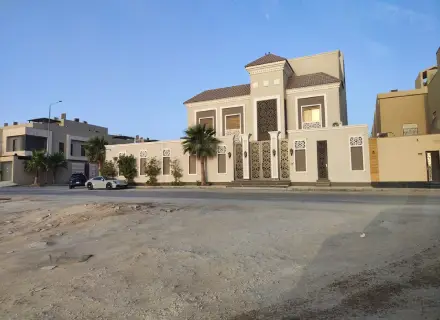

Saudi Arabia, for the longest time, was closed to outsiders. It was a land with its own laws, conservative as they get. And though it was at the centre of the global energy trade, its local economy, especially real estate, was as protectionist as it gets. All that is about to change, as the Kingdom has enacted a law that will allow foreigners to buy land in the Kingdom. It’s an important milestone toward modernisation and attracting foreign investments.
Under the new framework, foreigners will generally be permitted to own residential property in most Saudi cities, except for Makkah and Madinah, for religious reasons. Jeddah and Riyadh are also excluded, but parts of them may be designated for foreign investments in the future.
There are nuanced provisions for non-Saudi residents already legally living in the Kingdom. These residents may be allowed to purchase one residential unit outside of the designated foreign investment zones, provided the property is not located in Makkah or Madinah, where ownership remains strictly restricted to Muslims.
In contrast to the residential sector, the law offers far more expansive freedoms for business-related real estate. Foreigners will be granted the right to own commercial, industrial, and agricultural properties across all Saudi cities without exception. This policy is designed to stimulate industrial growth and support the Kingdom’s agricultural development by removing geographic barriers for international corporations and entrepreneurs.
The new system ensures that liberalisation does not come at the cost of control. Based on suggestions from the Real Estate General Authority, the Council of Ministers will ultimately decide which areas are available for purchase. All foreign ownership must be formally documented in the Real Estate Registry in order to guarantee transparency.
The government has also established a clear fee structure and penalty system. Foreign buyers will face a transaction fee of up to 5% of the property’s value. Furthermore, the Kingdom is taking a hard line on compliance; providing false information can lead to fines as high as SR10 million or the forced, court-ordered sale of the asset.