
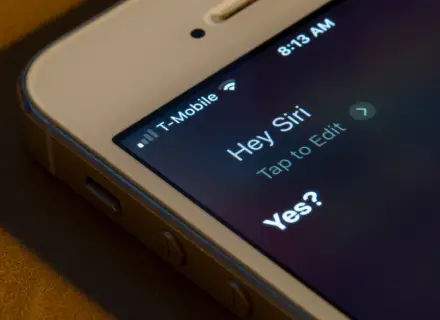

In 2024, Google made a very bold move. It ended Google Assistant and ushered in Gemini. The new AI wasn’t just a rebrand. It marked a complete shift in what we expect from voice assistants. While Gemini is already proving to be a major leap forward, Apple still clings to Siri despite its dated reputation and underwhelming performance. Maybe it’s time Apple took a page from Google’s book and put Siri to rest.
Over the past year, Apple has been under increasing pressure in the AI space. When it finally launched Apple Intelligence after the release of the iPhone 16, it came later than competitors and with noticeably less impact. A refreshed Siri was promised—complete with smarter integration across apps like Messages, Mail, Notes, and Calendar. But earlier this year, Apple delayed that key feature “indefinitely,” reportedly due to technical hurdles. All that remains now is a slightly more polished interface and a new ability to tap into ChatGPT, which hasn’t been enough to change how people use it.
And here’s the heart of it: would people even use a smarter Siri? For years, it’s been the butt of jokes, a punchline among iPhone users, especially as Google Assistant and Alexa raced ahead. Despite being first to market, Siri never quite delivered on the promise of a helpful, intelligent assistant. Now that Apple is trying to reboot it, maybe the name itself is holding things back.
Google isn’t shy about cutting its losses. The company has shut down so many projects that entire websites exist just to track them. Google Assistant is one of the latest casualties. It’s already being phased out across devices, Wear OS watches, Android Auto, and even Android phones. By 2026, the name “Google Assistant” might be history. And while that sounds abrupt, it was probably the right call.
Chris Harrison, director of the Future Interfaces Group at Carnegie Mellon, puts it clearly: “It’s branding, yes, but it also reflects how much the tech itself has evolved. Asking for the weather or setting timers isn’t really what a modern personal assistant should be doing.” That’s where Gemini steps in as a new breed of assistant. It can sift through your inbox to find event details, scan documents, even understand what you’re looking at through a camera and offer help. In short, it behaves like an assistant.
Apple wants to reach a similar place, but with more emphasis on privacy. The company has been clear that when Siri taps into ChatGPT, it won’t pass your data to OpenAI. That commitment to privacy matters, but the features still have to show up and work.
The problem isn’t just about tech. It’s also cultural. Siri and Alexa have become household names. They show up in movies and TV shows. Google Assistant never had that same recognition, which made it easier for Google to cut ties and start fresh. Amazon, meanwhile, is sticking with the Alexa name and simply upgrading it, adding a “+” to denote its AI makeover.
Apple, though, is in limbo. The new Siri was supposed to wow users, especially with the massive push behind Apple Intelligence. Instead, months have passed, and most users still only ask Siri to play music or set reminders. The upgraded capabilities remain out of reach.
There’s also a deeper issue at play: how people interact with these tools. Harrison compares today’s AI interfaces to the old days of computing. Back when you had to type exact commands into a terminal. The rise of graphical interfaces in the 1980s and 1990s made computers accessible. You didn’t need to remember how to do things; you could just click around and learn as you went.
Now, we’re back at that blinking cursor. Put someone in front of ChatGPT or Gemini, and they don’t know what to do. Harrison tried this with his own parents. They asked for the weather, and the assistant responded with, “I don’t have that info.” Confused and disappointed, they stopped.
“We’ve lost discoverability. Most people have only used Siri to set timers for ten years. Now we’re asking them to think of it as something different. That’s a tough ask,” Harrison says. A new name, he argues, could help reset expectations.
Of course, ditching Siri would be a huge step for Apple. They’ve invested over a decade into building it up. But if Apple wants people to embrace the next generation of voice interfaces, the old branding might be more of a burden than a benefit. Most users haven’t explored its deeper features. They’re stuck in the habit of asking for the same basic tasks.
This AI shift is still new. For most of the world, it’s barely made a dent. As Harrison points out, “For 99% of people, this revolution has gone over their heads.” Like the slow transformation from text-based computing to modern interfaces, the change won’t happen overnight. It will take time, experimentation, and education.
But maybe a fresh name, a clean break, is what Apple needs to move forward. Let Siri rest. Let something better rise.