
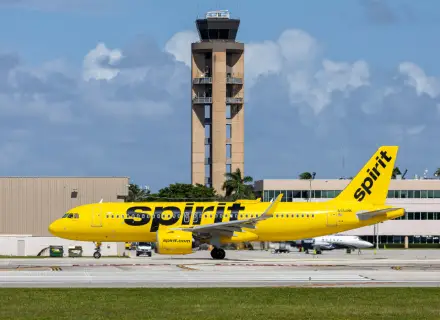

The American aviation sector, already reeling from the hike in jet fuel prices, received a shock on May 2. Discount carrier Spirit Airlines decided to cease its operations, after repeated attempts to secure creditor support for a government bailout plan met with failure.
Spirit once accounted for 5% of US flights. The carrier, while competing against larger industry players, also helped keep fares lower.
According to a Reuters report, Spirit convened a board meeting on May 1. The meeting ended without an agreement to rescue the company. Participating members blamed the increase in oil prices and “other pressures” on the business responsible for the carrier’s deteriorating financial outlook.
Spirit had 4,119 domestic flights scheduled between May 1 and May 15, according to data from aviation analytics firm Cirium. As of now, all these flights are cancelled.
Spirit built its brand around affordable fares for budget-conscious travellers, while shunning add-ons like checked bags and seat assignments. That business model, however, came under pressure post-COVID, as passengers preferred to opt for comfort and experience-based travel. The increase in jet fuel price due to the Iran war, dubbed as the aviation sector’s worst crisis since the pandemic, further killed the budget carrier’s turnaround hopes.
While Spirit’s shutdown will benefit rivals such as JetBlue Airways and Frontier Airlines, the latter have stepped up to fill the void. JetBlue has already announced expanding its service from Fort Lauderdale, one of Spirit’s key hubs, while adding 11 new cities and more flights on existing routes. Frontier has rolled out systemwide discounts and will be adding summer routes.
While the Trump administration tried to steer clear of the situation by stating that it gave Spirit and its creditors a final rescue proposal after talks deadlocked over a USD 500 million financing package that would have kept the carrier afloat, the crisis will add further fuel to the Republicans’ falling domestic popularity, as the Iran misadventure already hurts Uncle Sam’s economic prospects.
Talking about the Iran war and its impact on Spirit, the troubled carrier’s restructuring plan assumed jet fuel costs of about USD 2.24 a gallon in 2026 and USD 2.14 in 2027. However, the regional conflict shot prices up to around USD 4.51 a gallon by the end of April, making fresh financing a must for the survival of the business.
In February 2026, the airline flew around 1.7 million American domestic passengers, with a 3.9% market share, down from 2025’s tally of 5.1%. According to the Wall Street Journal, there were also disagreements within the Republican circle over how the bailout should be executed. According to the Wall Street Journal, there were also disagreements within the Republican circle over how the bailout should be executed.