
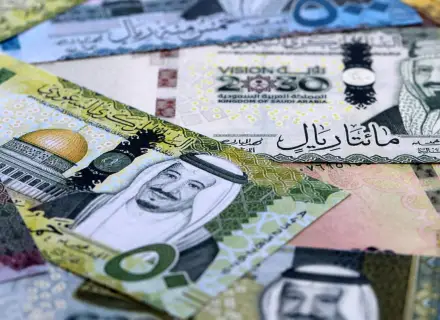

According to an analysis, Saudi Arabia dominated the Gulf Cooperation Council’s fixed-income market in the first quarter of 2026, raising USD 32.54 billion through 42 issuances, a 3.1% year-on-year increase, Kuwait Financial Center (Markaz) said in its latest report. The Kingdom made up 59.1% of the GCC issuance volume, reflecting increased investor interest in its debt market.
GCC countries saw USD 55.04 billion of primary issuances through 95 deals in the first quarter, up 5.64% from the first quarter of 2019. The region’s debt market, particularly in Saudi Arabia, has expanded in recent years as economic diversification efforts have increased investor demand for fixed-income instruments.
“As for issuance preferences, the first quarter of 2026 saw an increased appetite for conventional issuances in the GCC, representing 65.2% of total issuances. This aligns with issuance preferences from the first quarter of 2025, when more conventional bonds were issued,” said Markaz.
The UAE placed second with issuances of USD 13.57 billion in 36 offerings, followed by Qatar with USD 4.2 billion, Bahrain with USD 2.1 billion, Kuwait with USD 1.98 billion, and Oman with USD 650 million.
A December report by Kamco Invest indicated that GCC debt maturities are expected to remain high in the coming five years, with the UAE and Saudi Arabia having the highest maturities at USD 171.8 billion and USD 174.5 billion, respectively, between 2026 and 2030.
Issuance by corporate issuers increased 5.7% year-on-year to USD 34.58 billion, or 62.8% of total issuance, while sovereign issuance rose 5.5% to USD 20.46 billion, or 37.2% of the total. Government-related corporate entities saw a sharp decline in the first quarter, issuing USD 2.65 billion, which is 60.9% less than a year earlier.
The financial sector followed with USD 19.45 billion from 64 issuances, representing 35.3% of the market.