

The OPEC Fund for International Development (the OPEC Fund), which was established in 1976 with a distinct purpose: to drive development, strengthen communities and empower people, is launching the Economic Stability, Trade and Resilience Initiative (E-STAR), a USD 1.5 billion financing envelope to help partner countries manage rising economic pressures linked to energy, commodity and trade disruptions.
Deployed over the 2026-2028 period, E-STAR will provide rapid, demand-driven support to help countries maintain essential services, secure critical imports, protect development progress and strengthen resilience against future shocks.
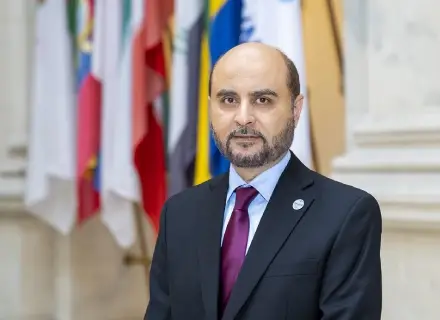
OPEC Fund President Dr. Abdulhamid Alkhalifa said: “Many of our partner countries are facing immediate pressure from higher costs, tighter financing conditions and disruption to critical trade flows. E-STAR is designed to respond quickly and where it matters most: helping countries keep essential services running, secure critical supplies and stay on track with their development priorities. At a time of uncertainty, this is about delivering practical support and reinforcing partnership.”
Recent developments in the Middle East are adding to pressures in energy and commodity markets as well as international trade flows, contributing to inflation, higher import costs and tighter financing conditions. For many developing economies, these pressures are already straining budgets, trade balances and growth prospects.
E-STAR initiative focuses on three priority areas:
Counter-cyclical support: Fast-disbursing financing to help governments manage rising import costs and tighter financing conditions, while keeping essential services running.
Trade finance: Support to secure the supply of key goods, including energy, food and agricultural inputs, by helping countries and businesses access working capital and keep critical trade flows moving.
Resilience building: Targeted investments in energy, transport and logistics infrastructure to strengthen supply chains, support continuity of essential imports and reduce exposure to future disruptions.
To date, the OPEC Fund has committed more than USD 32 billion to development projects in over 125 countries with an estimated total project cost of more than USD 240 billion.