

Jordan is seeking to turn its expanding renewable energy sector into a wider engine of economic growth, investment and job creation, with green hydrogen, ammonia, sustainable manufacturing and water infrastructure among its priorities.
The push was a central theme at the Jordan-EU Investment Summit, held at the Dead Sea on November 19. Government officials, European institutions and businesses discussed financing the transition. Jordan presented investment opportunities worth about USD 15 billion across energy, transport and logistics, the digital economy, manufacturing and water security.
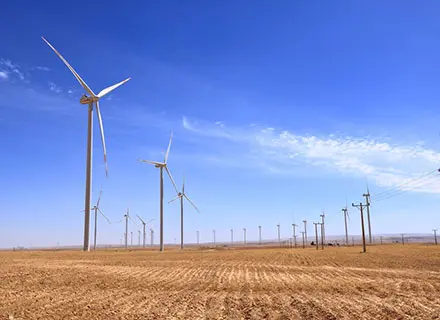
Renewables now account for more than 27% of Jordan’s electricity mix, according to officials. The government wants to raise that share to 40% by 2035, while expanding storage and upgrading the grid to accommodate more solar and wind power.
The ambition goes beyond cleaner electricity. Jordan wants to use its strong solar and wind resources to attract energy-intensive industries, develop export products and create skilled jobs.
A major project is a planned USD 1 billion green ammonia facility in Aqaba. It is expected to generate 100,000 tons per year with financial close expected in 2027 and commercial operations in 2030. Ammonia made with renewable electricity and green hydrogen is seen as a potential fuel and industrial feedstock as markets seek to reduce emissions.
Jordan’s Energy Sector Strategy for 2025-2035 envisages commercial green hydrogen production beginning in 2030, with annual output reaching 500,000 tonnes by 2035. It also provides for new solar and wind generation, battery and pumped-storage projects, improved efficiency and lower electricity network losses.
Transport is also part of the plan. Jordan aims for electric vehicles to account for 60% of annual new-car sales, with about 500,000 electric vehicles on the road.
The strategy also targets energy savings of 15% against 2023 levels and wider use of solar water heaters in homes, hospitals and hotels nationwide.
The wider Economic Modernisation Vision, launched in 2022, aims to unlock 41 billion Jordanian dinars (USD 57.9 billion) in investment and create one million jobs by 2033. Green industries are expected to contribute to both goals, said Shada El-Sharif, founder and chief executive of SustainMENA, an advisory organisation that supports public and private-sector bodies in the transition.
El-Sharif said renewables accounted for 27% of electricity generation, while 21% of vehicles were hybrid or electric. Clear regulations and stability would be important to attract capital, particularly for emerging technologies such as green hydrogen and energy storage.
The government also wants to make Jordan a base for low-carbon manufacturing. The lure of green power could appeal to European firms seeking to diversify their supply chains and serve regional markets, potentially reducing factory running costs and emissions. Opportunities include clean-tech components, industrial storage and energy efficient production.
More than investment announcements, turning ambitions into projects will require. Businesses have called for faster approvals, regulation that is predictable and financing arrangements that make large projects financially viable. Updated National Green Growth Action Plans covering energy, transport, agriculture, water, tourism and waste are intended to translate policy into projects and attract private participation.
Financing is another priority. Jordan’s banking sector is also working to develop frameworks to channel capital toward sustainable activities, including a national green taxonomy to identify eligible projects and enhance transparency. At a green finance forum in September, officials highlighted opportunities in waste management, energy efficiency, sustainable transport and climate-resilient infrastructure.
Water security is critical for the resource-poor kingdom. The Aqaba-Amman water desalination and conveyance project has attracted USD 6.7 billion in funding, Reuters reported.
It is designed to deliver an additional 300 million cubic metres of water annually, using desalination powered by dedicated solar energy and grid electricity. It is expected eventually to serve about 40 per cent of Jordan’s population.
The transition also presents a skills challenge. A study cited by Jordan’s state news agency found that more than 80 per cent of surveyed graduates had not secured energy-sector jobs, highlighting a mismatch between training and employer needs.
Experts expect demand to grow in hydrogen, storage, industrial efficiency, smart buildings and recycling, but education providers and businesses must work more closely.
Jordan has a platform from its renewable energy progress, but the next phase will be judged on its ability to turn targets into operating businesses, exports and jobs. Success will depend on attracting long term capital, building infrastructure and training local workers for the industries it aims to develop.