
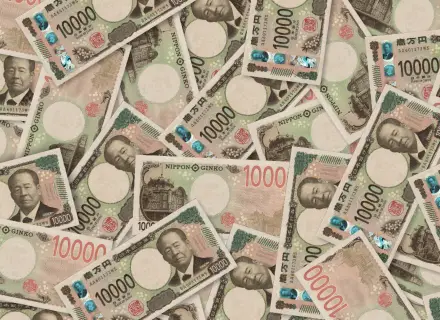

Japan and South Korea, which have also seen their currencies decline rapidly, said they would act if there is excessive foreign exchange volatility.
“Japanese Minister of Finance Satsuki Katayama and South Korean Minister of Economy and Finance Koo Yun-cheol expressed serious concern over the sharp depreciation of the Korean won and the Japanese yen. Furthermore, they reaffirmed that they will closely monitor foreign exchange markets and continue to take appropriate actions against excessive volatility and disorderly movements in exchange rates,” said a media note after the officials met in Tokyo.
The yen touched its lowest in 20 months on 13th March, nearing the line of 160.00 to the dollar that the market analysts think might prompt Tokyo to intervene to support the currency. The won, on the other hand, breached a psychological barrier of 1,500 per dollar this month for the first time since March 2009.
The Iran war has also driven the dollar higher on safe-haven demand, apart from battering the currencies of countries heavily reliant on imported oil.
The currency is also gaining as traders reduce expectations for how much the US Federal Reserve might cut borrowing costs in 2026, as worries over rising inflation have reduced the likelihood of interest rate cuts from two before the war to none now.
Tokyo and Seoul shared the view that significant volatility had emerged in financial markets, including foreign exchange, Satsuki Katayama told a press conference after the meeting.
“The Japanese government is fully prepared to respond at any time, bearing in mind the impact that currency moves may have on people’s livelihoods amid surging oil prices, and I believe both sides share that understanding,” she added.
Yen, due to its huge trade surplus and enormous net international investment positions, was once used to enjoy unconditional safe-haven status.
However, that position is under threat now, as Joey Chew, head of Asia FX research at HSBC, told Reuters, “The yen can be vulnerable to potential oil supply shocks – it also weakened last year in mid-June amid Israel-Iran tensions.”