

Saudi Arabian crude oil exports in July rose by about 3.3% from June to 4.125 million barrels per day, the highest level since March 2026, stated data from the Joint Organizations Data Initiative (JODI).
The Kingdom’s crude oil production increased to 8.135 million bpd from June’s ratio of 7.122 million bpd. However, the JODI website, which displays monthly export data for OPEC member countries, stated that Saudi’s refinery crude throughput declined by 0.020 million bpd to 2.478 million bpd in July from 2.498 million bpd the previous month.
Direct crude-burning, on the other side, decreased by 22,403 bpd to 561,097 bpd.
While UBS analyst Giovanni Staunovo linked the increase in Saudi crude and product exports with slowing down of the regional conflict, he added that exports could be weaker in August, particularly from Red Sea terminals, due to the renewed tensions involving the Iran-backed Houthi rebels.
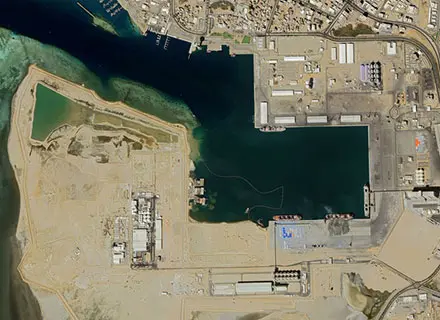
Meanwhile, Saudi Arabia has restarted operations at its East-West Pipeline and could resume exports from the Red Sea port of Yanbu, as per the reports.
Drone attacks, which Saudi Arabia has blamed on Iraqi militia, forced the Kingdom to shut the pipeline on September 11, halting crude loadings at the Yanbu Port.
As the Iran war began in February, Tehran, in retaliation to the US-Israeli joint airstrikes on its territories, put an embargo on the energy trade activities through the strategically crucial maritime chokehold called the Strait of Hormuz.
Riyadh, to bypass the roadblock, has been using the East-West Pipeline to reroute around four million barrels per day—around 4% of global supply—to Yanbu.
While the pipeline is pumping at a low rate after its restart, state-run oil giant Saudi Aramco is reportedly seeking to get the pumping rate back to four million bpd. The pipeline has a capacity of seven million bpd.
Reaching a rate of 40% of capacity will take a couple of days, and a full restart will take six to eight weeks, a security source told Reuters.
Another oil industry source said a return to full pumping rates would take up to six weeks.
Three of the 11 pumping stations serving the East-West Pipeline got damaged in the drone attack, according to satellite imagery and industry sources.
The pipeline will resume crude supply to Aramco refineries located on the Red Sea coast, with one cargo already scheduled to load at Yanbu. As per some sources, the consignment will be dispatched for China.
Traders were also getting ready for Saudi oil loadings by moving tankers to Egypt’s Mediterranean Port Said for ship-to-ship transfers and also to Sidi Kerir.