
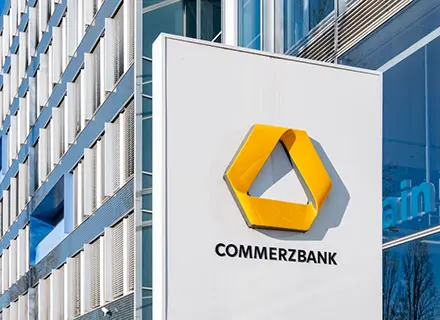

In what seems to be the first indication of retreat, Germany’s Commerzbank, that has been resisting UniCredit’s “unwanted takeover attempt” since 2024, said it would enter talks with its Italian counterpart.
The bank’s chairman, Jens Weidmann, said that the Italian bank’s dominance of its shareholder base meant “constructive talks” were needed to establish a framework in the interests of shareholders and staff.
While stating that Commerzbank would have preferred a different outcome from the whole saga, Weidmann signaled that he had no other choice but to enter the talks with the Andrea Orcel-led venture..
“We have to have constructive talks to establish the key parameters for staff, shareholders and the customers of the bank. Everyone needs to act like adults now, because one thing is certain: These discussions are in UniCredit’s interest as well, and there will be no shortcut via Berlin,” Weidmann said.
Weidmann’s response came within the 24 hours of the UniCredit’s remark, in which it asked its German counterpart to start adopting the strategy the Italian bank has mapped out in January 2026. Orcel raised the pitch further, by stating that his business had the option of using its 48% stake to install a new board.
Boosted by better than expected earnings and an upgraded its profit outlook, Orcel has taken an assertive path now, by asking for talks with the Berlin government, a Commerzbank shaPrareholder, and the German lender’s worker representatives.
However, both the stakeholders have asked the UniCredit boss to engage with his Commerzbank counterpart Bettina Orlopp.
“We are in a position to call an extraordinary general meeting and exercise … control. We would do that if that’s necessary, but our expectations are (not to have) to do that at the moment, if we have everybody on board and on the same direction … from January 1,” Orcel told analysts.
Orcel, a veteran dealmaker, has tactically used derivatives, to complete the takeover of Commerzbank.
“We got to control (of Commerzbank) potentially without making any concession, as you usually would in a transaction. So now we are quite open,” he told CNBC television.
UniCredit first invested in Commerzbank in 2024, prompting Germany to reject the Milanese lender’s approach as hostile and back Commerzbank’s quest to remain independent. The European country’s finance ministry has still maintained its aggressive stance against the Itaian lender, apart from calling the latter to engage in a constructive approach. Sascha Uebel, head of the Commerzbank’s works council, criticised UniCredit for turning to worker representatives.
“Can we all please act like adults now? Under corporate law, management decides what happens in a company,” he said.
Germany still owns 12% of Commerzbank after a 2009 bailout, a stake UniCredit needs to buy to eventually merge Commerzbank with its own German business HVB in two or three years’ time.
UniCredit also sees economic gains from Commerzbank adopting its strategy. On July 23, it raised the estimated benefits by 50% to 1.2 billion euro (USD 1.4 billion) before taxes.
Orlopp has said that terms for any takeover negotiations should reflect the importance of Germany for the combined group and respect the Frankfurt-based lender’s business model.
Declining costs and strong net fees drove UniCredit’s second-quarter profit to 2.9 billion euro. UniCredit now expects 2026 income comfortably above 11 billion euro, compared with previous guidance for a result in line or above that figure. Orcel sees the tally rising to significantly more than 13 billion euro in 2028, excluding the full consolidation of Commerzbank.
By cancelling a planned 4.75 billion euro share buyback, UniCredit will keep its core capital at 13% of assets in 2026 despite the hit it will take, by consolidating Commerzbank into its accounts. The buyback cancellation, however, has weighed on the bank’s shares, which fell 3.6%.