
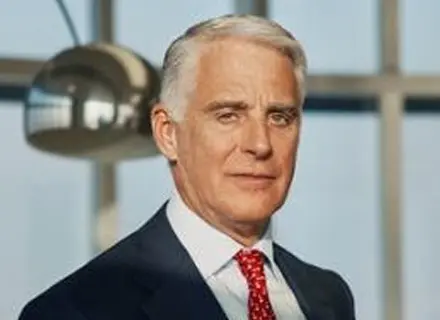

As the merger between Commerzbank and UniCredit nears, the latter’s CEO, Andrea Orcel, is looking to take control of his acquisition target, apart from which he will also be overhauling the German lender’s supervisory board by as early as January 2027.
As per the reports of the Financial Times, the Italian lender plans to call an extraordinary general meeting once it receives the remaining regulatory approvals needed to take control of Germany’s second-largest bank.
“UniCredit expects to secure control by the end of February and replace all 10 shareholder representatives on Commerzbank’s 20-member supervisory board, giving it an effective majority,” the media outlet stated further.
The latest scoop emerges amid UniCredit’s accelerated efforts to close the two-year battle, which the Italian lender successfully fought against the German government and the Commerzbank management.
While Berlin has softened its stance on a potential deal after UniCredit built a stake of nearly 50% in the German lender, Friedrich Merz has continued to demand that Commerzbank remain listed, keep its Frankfurt headquarters, and maintain its role in financing German medium-sized companies at home and abroad.
Germany won the right to appoint two board members when it rescued Commerzbank in 2009 during the global financial crisis. It retains a stake of 13.3% in the bank.
As per reports, Orcel wants sweeping changes at Commerzbank, including the departures of CEO Bettina Orlopp and Chairman Jens Weidmann.
Orlopp has, however, maintained a cooperative stance, proposing that Commerzbank could potentially acquire UniCredit’s German bank HVB in shares to create a mutually beneficial merger.
Orlopp, speaking at a financial conference last week, said such a deal structure was one of several “options on the table” as a way to increase UniCredit’s shareholding in Commerzbank.
Orlopp also said that the other ways to structure a deal include a simple merger between Commerzbank and UniCredit or by UniCredit making another offer to the remaining Commerzbank shareholders—”most likely with a premium”—to get its shareholding above 90%.
She concluded by stating that all three basic options are available.