
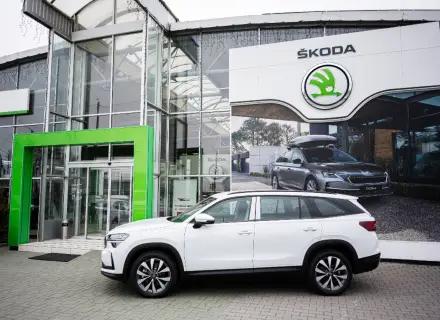

Czech carmaker Skoda, owned by Volkswagen, which has been struggling to keep up with the rapid expansion of the electric vehicle industry in China, has decided to withdraw from the auto market of the world’s second-largest economy by mid-2026.
After serving as Skoda’s largest market for years with deliveries of over 300,000 between 2016 and 2018, sales in China collapsed to just 15,000 in 2025, as foreign automakers face tough competition from local brands, especially in the EV domain. The 2025 figures also resulted in a sales decline of more than 95%, which reduced the brand’s market share to below 0.1%.
“The company will continue to sell Skoda models in the Chinese market in collaboration with a regional partner until mid-2026,” Volkswagen said in a statement, while announcing the automaker’s next focus area: strengthening the brand’s presence in India and Southeast Asia, where it saw growth in 2025.
“After-sales services for Skoda vehicles will continue to be provided in China,” the company said.
Skoda’s move isn’t surprising, given that its parent Volkswagen has been facing a tough time in China, where local brands BYD and Geely have overtaken the German company in terms of sales. Not only Volkswagen, but almost all Western legacy carmakers have also been struggling to keep up in a growing EV market, with Chinese companies excelling in terms of introducing cost-friendly, yet feature-laden cars.
Volkswagen, however, along with its subsidiary Audi, is still holding ground in the world’s second-largest economy through product launches and increasingly localised production activities.
Volkswagen Group CEO Oliver Blume recently told German newspaper Bild am Sonntag that Germany could learn from China’s industrial policy approach, when it comes to reforming both the European country’s automobile sector and the broader domestic economy.
“The Chinese take a very systematic approach with so-called five-year plans and have clear priorities with that too. It’s optimally structured. And what we find very positive in China is a high level of discipline and willingness to implement these initiatives,” he said, while adding that in the Asian country, Volkswagen currently faces “over 150 competitors and strong innovation dynamics.”