
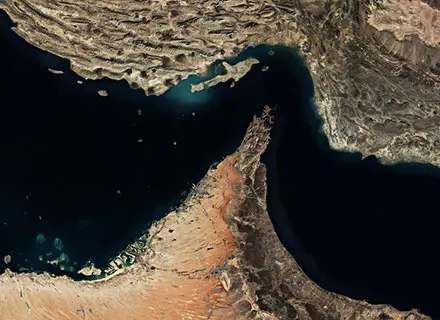

The United States is backing plans to revive the long-defunct Kirkuk-Baniyas oil pipeline linking Iraq to Syria’s Mediterranean coast, as Washington and regional governments seek to diversify crude export routes following months of disruption in the Strait of Hormuz.
The 800km pipeline, largely out of service since the 2003 US-led invasion of Iraq, has emerged as a strategic priority after the Iran conflict exposed the vulnerability of the Gulf’s main energy corridor.
Temporary disruptions in Hormuz sent oil prices soaring and renewed concerns over the security of one of the world’s busiest shipping lanes, through which roughly a fifth of global oil supplies pass.
US Special Envoy Tom Barrack has held discussions with Iraqi and Syrian officials, as well as energy companies including Chevron, on rebuilding the pipeline, which would carry crude from Iraq’s Kirkuk fields to the Syrian port of Baniyas. The project forms part of a broader US strategy to strengthen regional energy security while expanding opportunities for American companies.
The renewed interest coincides with closer ties between Washington, Baghdad, and Syria’s new leadership. During Iraqi Prime Minister Ali Al Zaidi’s visit to the White House, President Donald Trump said new energy agreements involving US companies would be announced in the coming weeks.
For Iraq, OPEC’s second-largest producer, new export routes have become increasingly important. The country remains heavily dependent on southern Gulf terminals and the pipeline to Turkey’s Ceyhan port, while years of conflict and aging infrastructure have limited diversification. Baghdad has also appointed Houston-based engineering firm KBR to advise on a proposed pipeline linking Basra to Haditha, with potential branches to Syria, Turkey, and Jordan.
The revival of the Kirkuk-Baniyas route could also enhance Syria’s role as a regional energy hub. The Baniyas terminal offers direct access to Mediterranean markets, attracting interest from international companies, including Chevron and TotalEnergies, as Western sanctions on Syria continue to ease.
However, significant obstacles remain. Much of the pipeline would require reconstruction after decades of neglect, potentially costing billions of dollars. Proposed routes also pass through areas where Islamic State cells remain active, raising security concerns for investors. Analysts also warn that Iran-backed militias could oppose the project, viewing it as an attempt to weaken Tehran’s regional influence.
Despite those risks, industry experts believe alternative export corridors will become increasingly valuable as geopolitical tensions reshape global energy supply chains and buyers seek more resilient routes to market.