

Retail sales rose just 0.6% year on year in July, slowing from 1% in June and missing the 1.5% increase that economists had expected.
Urban fixed-asset investment fell 6.7% in the first seven months from a year earlier, worsening from a 5.7% contraction in the first half and marking the weakest reading since April 2020.
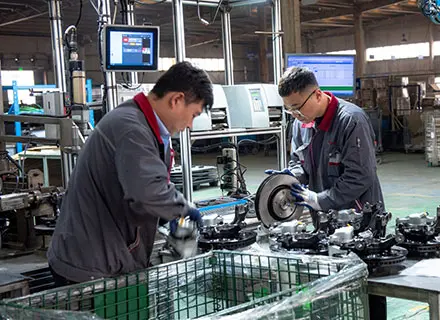
Industrial production provided some resilience but also slowed, rising 4.5% in July compared with 5.3% in June. High-tech manufacturing continued to thrive, with a 16.9% expansion, while the production of industrial robots, new-energy vehicles, and semiconductors maintained strong growth.
The contrast between resilient high-tech production and weak domestic demand is becoming increasingly pronounced. China’s factories have benefited from strong overseas orders linked to the global artificial-intelligence infrastructure boom, helping exports cushion weakness at home. However, this export-driven support exposes the economy to trade tensions, tariffs, and fluctuations in global demand.
The property market remains a major drag. New home prices fell 0.1% month-on-month in July and 3.2% from a year earlier. Only 17 of the 70 Chinese cities covered by the official survey recorded monthly price gains, suggesting that stabilisation remains concentrated in major urban markets rather than being a nationwide recovery. Falling property values and weak sales continue to suppress construction, investment, and household confidence.
The fading impact of government trade-in subsidies, which previously accelerated some purchases, is also restraining consumer demand.
Employment adds to the concern. The official urban unemployment rate rose to 5.2% in July from 5% in June, while youth unemployment remained elevated.
Weak lending is another warning sign. New bank loans recorded their largest monthly decline on record in July, while household borrowing, including mortgages, contracted after a brief recovery.
Extreme weather also disrupted activity. Three typhoons made landfall in July, with heavy rain and strong winds disrupting factories, ports, and transport networks across parts of the country. Officials said weather effects contributed to the slowdown, but economists argue the weakness predates those disruptions.
The pressure is now shifting to policymakers. China’s leadership has pledged faster fiscal spending and timely measures to support growth, while officials have called for stronger counter-cyclical adjustments and measures to boost domestic demand.
However, major new stimulus for households or the property sector has yet to emerge. Economists expect fiscal acceleration to support public-sector activity but question whether it will be enough to reverse the broader investment decline.
With second-quarter GDP growth slowing to 4.3%, below Beijing’s 4.5%-5% full-year target range, the July figures raise the risk that expansion will remain dependent on a narrow group of export and technology industries.