


In recent years, Saudi Arabia has witnessed a rising tide of innovation in finance, particularly focused on serving micro, small, and medium enterprises (MSMEs). Among the newcomers, Nayla Finance has stood out as a company directly targeting the micro-business segment—a traditionally underserved market—by offering fast, digital, and Sharia-compliant micro-financing solutions.
Established in 2024 by Shaqran Alyahya and Khalid Naili, Riyadh-based Nayla Finance operates as a fintech company licensed by the Saudi Central Bank. The company, which was the first carved-out venture out of Sanabil Venture Studio, has its paid-up capital at SAR 10 million. It has a mission of empowering micro enterprises by offering accessible, fair, and digital credit solutions tailored to the real needs of these small players.
The Challenge: Access To Capital For Micro-Enterprises
Micro-businesses like retail shops, food and beverage stalls, and e-commerce sellers face several obstacles in accessing formal finance. Banks and traditional lenders often require strong credit history, collateral, and lengthy paperwork.
“For many micro-entrepreneurs, these requirements are prohibitive, pushing them to informal lenders or stalling growth altogether. The Saudi Vision 2030 emphasises boosting SMEs’ contribution to GDP, increasing lending to them to 20%, and diversifying the economy. Meeting these goals means closing the financing gap for micro-businesses,” Nayla Finance told International Finance.
Nayla has stepped up to the challenge as the only fintech player in the market focusing exclusively on micro-financing for micro-businesses, allowing it to fully understand and deliver innovative financial products to an underserved segment. Instead of relying on standard credit history, Nayla uses proprietary scoring models that understand micro-business realities, including using alternative data. This helps them assess risk more precisely and accept businesses that the banks might reject.
From application to approval, the process is designed to be as seamless and paperless. Most importantly, the micro-financing offerings are compliant with Sharia, which matters for many business owners in the Kingdom who wish their financing to align with Islamic finance principles. Nayla offers financing up to SAR 100,000 with repayment terms of up to six months, fixed repayment schedules, and a digital decisioning process that can deliver funds much faster than traditional lenders.
Recent Progress And Funding
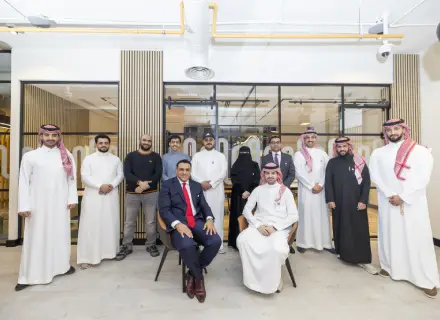
In March 2025, Nayla Finance raised USD 4 million in seed funding, led by Sanabil Venture Studio by Stryber. The funding is intended to help the venture scale, in addition to enhancing its technology platform (especially credit scoring), expanding its loan book, and forming partnerships across key sectors such as F&B, e-commerce, and retail. Approximately USD 2.7 million is allocated as debt financing to expand Nayla Finance’s loan portfolio.
Alignment With Saudi Vision 2030
“Nayla’s strategy aligns closely with Saudi Arabia’s Vision 2030, aiming to increase SME participation in the economy, enhance financial inclusion, and support digital transformation. Micro-enterprises are the backbone of entrepreneurship, job creation, and regional economic development. Enabling easier access to capital leads to increased business activity, job creation, and greater innovation,” the fintech player remarked.
Nayla’s journey has been promising, but challenges remain. Even with alternative scoring, small businesses tend to carry a higher risk. Ensuring default rates stay manageable will be key. Also, as a licensed financing company under the Saudi Central Bank, Nayla must maintain strict compliance, customer protection, and risk governance.
Growing from pilot volumes to large portfolios will require robust systems, partnerships, and certainly more capital. Micro-business owners might not be familiar with digital fintech options or may be wary. Building trust and awareness will be essential for Nayla.
Looking Forward
With Nayla Finance’s digital-first, low-ticket, high-frequency model and alignment with Saudi economic policy, it is well-positioned to disrupt the traditional micro-lending market. If this initiative succeeds, it could serve as a model for similar efforts throughout the broader Middle East region.
Its success will depend on how effectively it balances growth and risk, maintains customer trust, and meets the diverse needs of micro-businesses across different sectors and locations. For micro-entrepreneurs in the Kingdom, Nayla is more than just a lender; it embodies access to opportunities, speed, and fairness.