
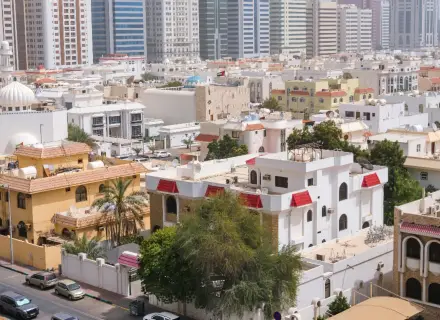

According to the Abu Dhabi Projects and Infrastructure Centre (ADPIC), the authority is currently overseeing more than 500 capital projects across a broader programme value worth USD 200 billion. In 2025, ADPIC advanced approximately AED 32 billion (USD 8.71 billion) in public-private partnership opportunities, with over 40,000 homes set for delivery by 2029 as part of a broader effort to strengthen communities and raise living standards across the emirate.
This information was revealed during a panel discussion at the second edition of the Abu Dhabi Infrastructure Summit (ADIS). The summit, held from 12 to 14 May, saw ADPIC sign 10 memoranda of understanding (MoU) across governance, delivery, and partnership tracks on the opening day itself. The event also set an ambitious agenda for city-scale transformation under the theme “Urban Evolution: Rethinking Cities, Redefining How We Live”.
Maysarah Mahmoud Eid, the Director General of ADPIC, said, “We are moving beyond building cities to creating communities that are more connected, more resilient, and designed around people to improve their lives. No single sector can drive this shift alone. It demands a new kind of collaboration across government, industry, finance, and technology. And that is why ADIS exists.”
At the ADIS summit, two consecutive panels discussed Abu Dhabi’s ongoing efforts to meet the infrastructure demands of rapid urbanisation. “Building at Pace: Planning with Purpose, Delivering for Impact” saw the presence of Carlos Wakim, CEO of Bloom Holding; Adel Albreiki, CEO of Aldar Projects; Mounir Haidar, Co-Founder of LEAD Development; and Francis Alfred, Managing Director of Sobha Realty, with Mustafa Al Rawi, Director of Strategic Communications at the Abu Dhabi Department of Economic Development, moderating the session.
As the discussion examined how modular and offsite manufacturing techniques are compressing project delivery timelines, Sobha Realty confirmed an AED3 billion investment in construction innovation and offsite factories over the next three years.
Bloom Holding, on the other hand, pitched for the separation of technical infrastructure from social infrastructure, pointing to Bloom Living’s 4,200 homes as a model of integrated community design that prioritises walkability, safety, and gathering spaces.
ALSO READ: Abu Dhabi records USD 18 billion in Q1 property transactions
“LEAD Development framed infrastructure as the backbone of place-making, citing Jubail Island’s 40 million sqm of land, 25 million of which is protected mangrove. Aldar pointed to its use of AI agents for design and supply chain scrutiny, drawing on 50 million data points from previous projects, as part of how technology is reshaping delivery,” reported TradeArabia.
Talking about ADPIC’s infrastructure push, the authority has formalised a new partnership under the Bunaa Programme with Trojan Construction Holding, Gulf Contractors, and GHD Global, strengthening the delivery capacity behind the emirate’s capital project pipeline. A separate MoU with Knowledge Group will advance cooperation across training, development, advisory services, and the organisation of conferences and events, with a focus on building national talent and workforce readiness across project and infrastructure-related sectors.