
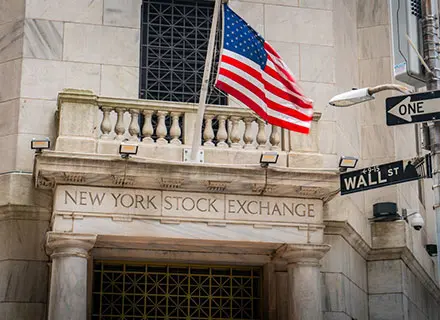

Wall Street is heading for another bumper year, with profits at New York’s securities firms on track to exceed USD 90 billion in 2026 and bonuses expected to reach a fresh record, underscoring the extraordinary revival in trading, dealmaking, and capital-market activity.
Profits reached USD 45.9 billion in the first six months of the year, a 51.3% increase from the same period in 2025, according to New York State Comptroller Thomas DiNapoli. If that pace is maintained, full-year profits could comfortably exceed the previous record of USD 65.1 billion set in 2025.
The outlook is already changing expectations for pay. DiNapoli said the strength of profits, employment, and compensation spending suggests the 2026 bonus pool will increase, despite an earlier forecast by New York City that bonuses could fall 20%. The comptroller did not give a new estimate for the size of this year’s pool.
Wall Street employees are coming off a record year. The 2025 bonus pool reached USD 49.2 billion, up 9% from 2024, while the average bonus rose 6% to USD 246,900. Average annual compensation, including bonuses, climbed 11.1% to USD 561,770.
The latest performance reflects a broad-based recovery across the financial industry.
For the New York securities industry, the first half of 2026 was its strongest two-quarter period on record. Underwriting revenue rose 68%, while revenue from account supervision and advisory activities increased 16.4%, according to DiNapoli’s report.
Major investment banks have also reported exceptional performance. Goldman Sachs, for example, posted its third consecutive quarterly record in equities trading, reflecting the unusually strong environment for stock-market activity.
A separate August assessment by compensation consultancy Johnson Associates projected that bonuses for equity sales and trading professionals could rise 20% to 30% or more this year, while advisory bankers, including M&A specialists, could see increases of 15% to 20%.
The revival in dealmaking is particularly important because investment banking had endured a difficult period as higher interest rates and economic uncertainty discouraged companies from pursuing acquisitions and public listings.
The reopening of capital markets has given banks a new source of fee income while also increasing demand for bankers able to structure large transactions.
The strength of Wall Street is also spilling into employment. Securities industry employment in New York City reached 207,400 jobs in 2025, the highest level since the state began tracking the data in 2000. The comptroller expects another 5,300 positions to be added in 2026.
New York remains heavily dependent on the industry’s earnings. Securities firms contributed at least USD 26.3 billion in business and personal income taxes to the state during fiscal 2025-26, an increase of nearly 29% from the previous year.
The industry also generated about USD 7.8 billion for New York City’s budget in fiscal 2026, according to the comptroller’s office.
The outsized contribution explains why a Wall Street boom can have consequences well beyond trading floors. Higher bonuses support spending across housing, restaurants, luxury goods, and professional services, while rising corporate profits and employment strengthen tax collections.
Therefore, the fiscal health of New York closely links to the fortunes of the financial sector.
Yet the boom comes with significant risks. DiNapoli’s office warned that global conflicts, inflation, and the rapid expansion of artificial intelligence could threaten the industry and the wider regional economy.
A renewed inflation shock or escalation in geopolitical tensions could undermine economic growth, revive pressure on interest rates, and weaken dealmaking.
There is also a concentration risk for New York. As the securities industry’s contribution to city and state tax revenues grows, a sharp downturn on Wall Street would have a larger impact on public finances.
The same mechanism that magnifies the benefits of a boom can amplify the pain of a reversal.
For now, however, the numbers point in the opposite direction. First-half profits have already exceeded New York City’s forecast for the securities industry’s entire 2026 earnings, and compensation spending by New York Stock Exchange member firms was 18.8% higher in the first half than a year earlier.
That combination gives bankers and traders a strong reason to expect a lucrative year-end payout.
Unless markets suffer a major shock during the remaining months, Wall Street is on course not only for another profit record but also for a bonus season that could eclipse the USD 49.2 billion paid out in 2025.
The scale of the windfall is a reminder of how quickly the financial sector can rebound when volatility, dealmaking, and investor appetite align.
It also leaves New York with a familiar dilemma: enjoying the tax and employment benefits of a booming Wall Street while remaining exposed to the sharp downturn that can follow it.