

The United States has issued its most sweeping rollback of sanctions on Iran’s oil sector since the 1979 Islamic Revolution, authorising dollar-denominated trade with Tehran for the first time in more than four decades.
The US Treasury Department on Monday (June 22) issued a 60-day waiver, known as “General License X”, permitting Iran to produce, sell and transport crude oil, petrochemicals and petroleum products through August 21.
The licence also clears previously sanctioned vessels and entities for transactions and allows payments in US dollars, apart from reopening the door to American imports of Iranian crude, a trade that had largely collapsed since the 1990s.
Treasury Secretary Scott Bessent framed the waiver as part of efforts to implement the last week’s US-Iran memorandum of understanding (MoU) while broader negotiations continue. The exemption also covers shipping, insurance and vessel registration services tied to the oil trade.
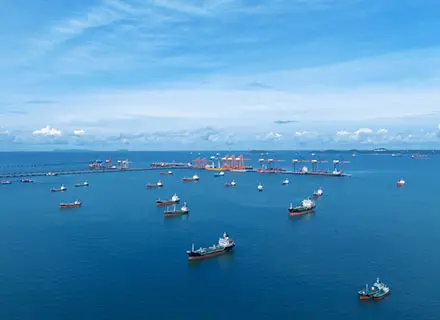
The financial stakes are significant. Around 67 million barrels of Iranian crude currently sit stranded in floating storage in the Gulf. Unlocking that inventory could generate USD 8-9 billion for Tehran, according to Miad Maleki, a former Treasury sanctions official now at the Foundation for Defence of Democracies. He said the combined measures amount to a sustained reopening of Iran’s most important revenue stream.
“Production, sales, dollar payments, petrochemicals and protected shipping — all switched on at once. Together, they amount to a sustained reopening of Iran’s most important revenue stream,” he told the CNBC.
President Donald Trump defended the move, saying any resulting oil profits were intended for Iran to buy American agricultural products, rather than funding its military.
China, which buys roughly 90% of Iran’s oil exports, is expected to be the biggest beneficiary. Maleki said dollar clearing would likely prompt Chinese buyers to accelerate purchases, having previously relied on opaque payment channels to avoid secondary sanctions exposure.
Chinese crude imports from Iran had fallen sharply between February and May of 2026, an unprecedented 4.8 million barrels per day, a steeper drop than the one seen during the COVID pandemic (4 mbd decline), according to JPMorgan. Kpler analyst Muyu Xu said buyers were still reviewing the new rules and that any pickup in purchases would depend on pricing and cargo availability.
“The ‘General License X’ also removes the principal banking friction constraining volume, giving both state refiners and independent refineries, or teapots, access to intermediary banking networks they previously had to circumvent,” Maleki noted. He now expects a rapid storage “top-off cycle” under which Chinese buyers could rush to replenish stockpiles before the exemption expires in August this year.
Iranian exports have already shown signs of recovery, with 6.79 million barrels shipped last week, the highest in two months, according to maritime intelligence firm Windward. Geopolitical Strategy chief strategist Michael Feller said Iran would likely use the 60-day window to repair war-damaged oil facilities and secure longer-term contracts with Chinese buyers, calling it a major boost to both Tehran’s economy and morale.
“Iranian crude, which typically trades at a discount to global benchmarks, could also shift to a premium above Brent given demand pressure, further increasing Tehran’s revenue windfall,” said Brett Erickson, a managing principal at Obsidian Risk Advisors.
Iranian officials have also pointed to other gains from the talks. Parliament Speaker Mohammad Bagher Ghalibaf said Swiss negotiations had produced an agreement to release USD 12 billion in frozen Iranian assets and credited the diplomatic process with reducing violence in Lebanon. He said Iran would keep pushing for Lebanon’s “territorial integrity and national sovereignty” through the talks.
The sanctions relief has drawn criticism from sceptics, who argue Washington is offering major economic concessions before securing firm commitments from Tehran on its nuclear programme or regional conduct. Supporters counter that the measures are designed to build momentum, secure nuclear inspections and lower the risk of renewed conflict in the region.
However, signs of an energy pickup will take time to materialise, said Muyu Xu, a senior oil analyst at Kpler.
“Buyers are scrambling to assess the new authorisation and complete internal compliance reviews — particularly those not previously active in Iranian crude. That said, Chinese buyers’ interest ultimately will rise, though actual procurement will depend on pricing and cargo availability,” Xu told CNBC.
Also Read: US-Iran peace deal: Shipping industry remains cautious on Hormuz front